
Declarative vs Episodic vs Procedural memory basic definition for golfers
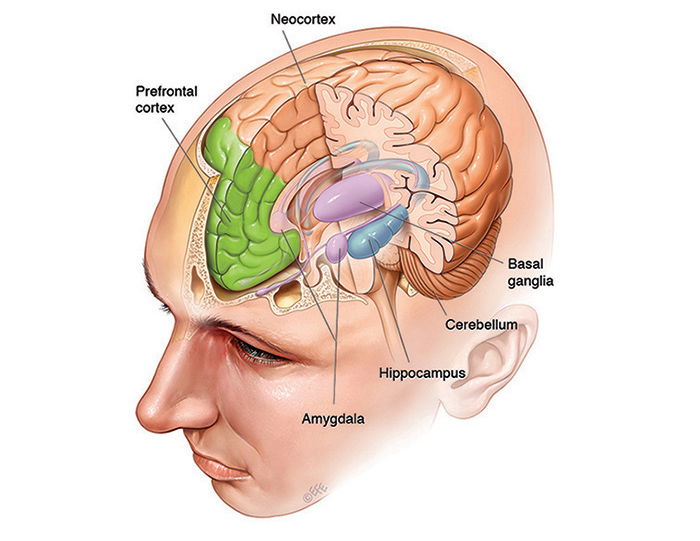
Understanding the different types of memory is key to improving golf performance, as it helps distinguish between knowing what to do, remembering past rounds, and actually executing the swing. Here is a breakdown of declarative, episodic, and procedural memory for golfers based on neuroscience research. 1. Procedural Memory ("How" - The Golf Swing)
- Basic Definition: Non-conscious, automatic memory of how to perform motor actions. It is often called "muscle memory" and is stored in the cerebellum.
- For Golfers: This is your swing mechanic, your putting stroke, and your rhythm. It is the ability to swing a club without thinking about every muscle movement.
- Example: When you "swing naturally" or feel a "grooved swing" on the 18th hole, you are using procedural memory.
- Key Aspect: These memories are difficult to explain verbally, as they are automatic.
2. Declarative Memory ("What" - Knowledge and Events)
- Basic Definition: Conscious, explicit memory of facts or events that can be described or "declared" in words. It is stored in the cerebral cortex and hippocampus.
- For Golfers: This involves knowing the rules, understanding course strategy, remembering your handicap, or knowing which club to use for a specific yardage.
- Example: Remembering that you need a 7-iron to cover 150 yards, or knowing that you cannot ground your club in a hazard.
3. Episodic Memory ("When" - Past Experiences)
- Basic Definition: A type of declarative memory that refers to the conscious recollection of specific personal past events, essentially the "story" of your life.
- For Golfers: This is the memory of specific rounds, shots, or moments (good or bad). Pro golfers often have incredible episodic memories for specific shots from years prior.
- Example: Remembering the exact 20-foot putt you made on the 9th hole last week, or the time you shanked a ball into the water on the 14th hole.
- Key Aspect: Often used for visualization or learning from mistakes (e.g., "I hit this too hard last time").
Comparison Summary for Golfers
| Memory Type | Focus | Consciousness | Location | Example |
|---|---|---|---|---|
| Procedural | "How" to swing | Unconscious/Automatic | Cerebellum | Your muscle memory/grooved swing. |
| Declarative | "What" to do | Conscious | Cerebral Cortex | Knowing the rules or yardages. |
| Episodic | "When" it happened | Conscious (Recall) | Hippocampus | Recalling a great shot last month. |
How They Work Together on the Course
- Pre-shot routine (Declarative/Episodic): "It's 150 yards, wind is behind, and I hit a 9-iron too long last time."
- Swing Execution (Procedural): You trust your muscles to make the swing.
- Post-shot/Round (Episodic): "I need to remember that I pulled that 9-iron".